Travel Safely: Your Comprehensive Safety Guide
Travel safety is paramount to enjoying your trips with peace of mind. This comprehensive guide covers essential safety practices to protect yourself and your belongings throughout your journey.
Pre-Travel Safety Preparation
Research Your Destination
- Check travel advisories for your destination
- Understand local customs and culture
- Know the political and social climate
- Identify safe and unsafe neighborhoods
- Research weather conditions and natural disaster risks
Document Everything
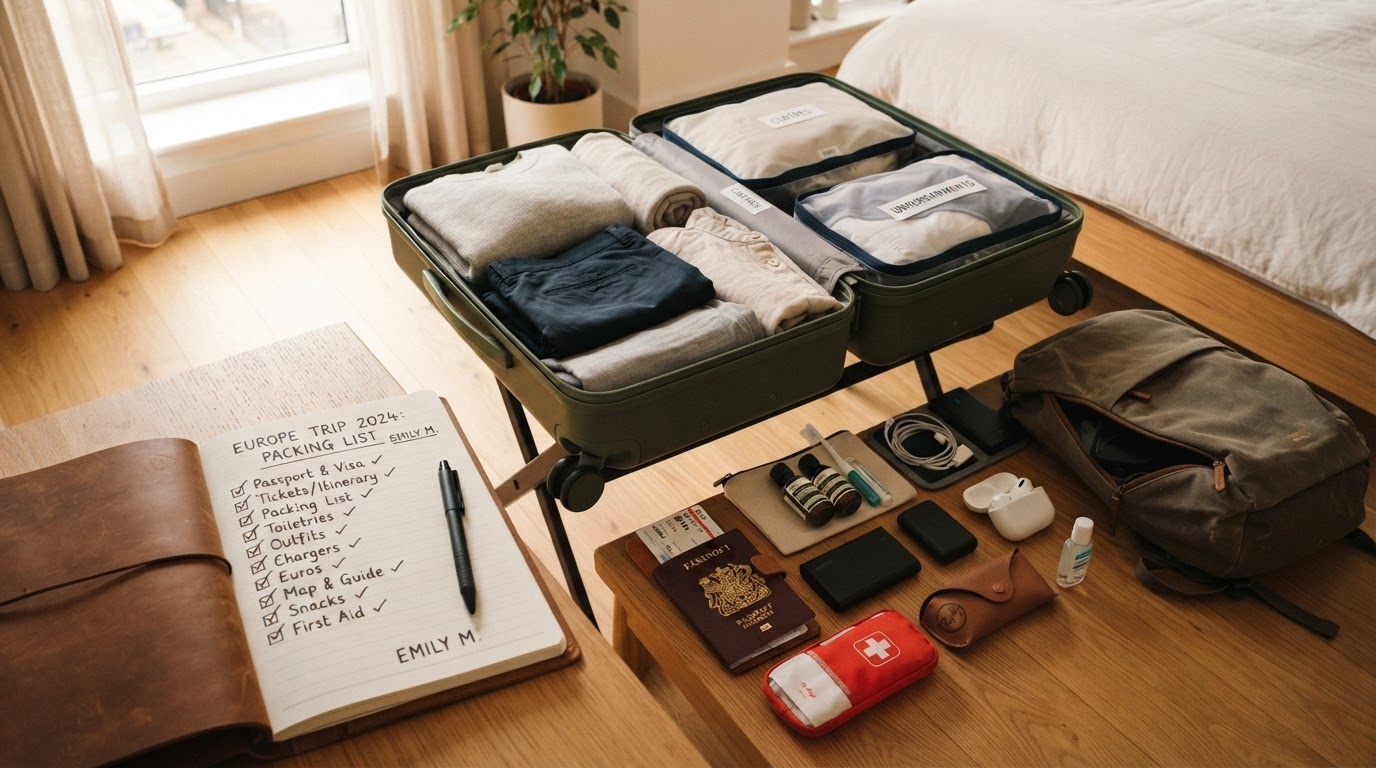
- Make copies of passport, ID, and credit cards
- Store copies separately from originals
- Keep digital copies in cloud storage
- Leave a copy with a trusted person at home
- Store emergency contact information
Insurance and Medical
- Purchase comprehensive travel insurance
- Get travel vaccinations as needed
- Schedule pre-travel health consultations
- Create a list of current medications
- Identify pharmacies and hospitals at destination
Share Your Itinerary
- Give trusted friends/family your flight details
- Provide hotel information and contact numbers
- Share emergency contact information
- Establish check-in frequency
- Provide destination country codes
Personal Security During Travel
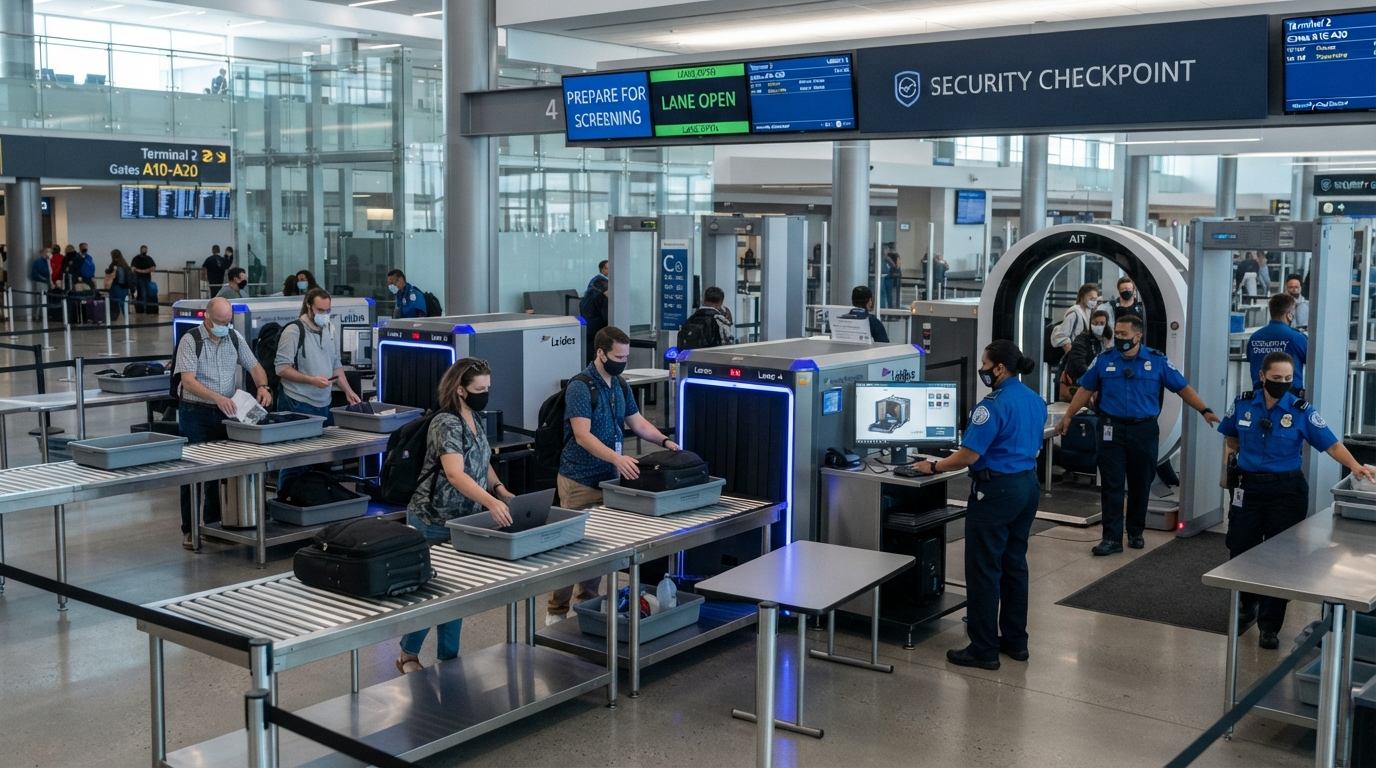
At the Airport
- Keep valuables in carry-on bag
- Don’t leave luggage unattended
- Be aware of common airport theft tactics
- Avoid displaying large amounts of cash
- Use official airport services and taxis
Transportation Safety
- Use registered taxis or ride-sharing apps
- Avoid traveling alone late at night
- Share rides with other travelers when possible
- Keep car doors locked when in vehicles
- Avoid heavily isolated routes
Hotel and Accommodation Safety
- Check locks on doors and windows immediately
- Use the room safe for valuables
- Don’t leave valuables on display
- Know the emergency exits
- Keep door locked at all times
- Use the peephole before opening doors
- Verify housekeeping requests with front desk
Financial Safety
Cash and Cards Management
- Carry only necessary amounts of cash
- Use ATMs in well-lit, secure locations
- Avoid counting money in public
- Use credit cards instead of cash when possible
- Monitor bank accounts for fraudulent activity
Protecting Financial Information
- Use secure WiFi or VPN for online banking
- Avoid using public WiFi for sensitive transactions
- Check credit card statements upon return
- Notify banks of travel dates
- Consider travel-specific debit cards
Health and Safety
Pre-Existing Conditions
- Carry medical condition information
- Have prescription documentation
- Research healthcare quality at destination
- Know how to access medical care
- Carry emergency medical information
Food and Water Safety
- Drink bottled or filtered water in high-risk areas
- Avoid ice in drinks if water safety is questionable
- Be cautious with street food in unfamiliar areas
- Research local food safety standards
- Trust your instincts about food safety
Disease Prevention
- Get recommended vaccinations
- Use insect repellent in areas with disease-carrying insects
- Wear appropriate clothing for protection
- Practice regular hand hygiene
- Stay updated on health alerts for your destination
Personal Safety While Exploring
General Awareness
- Stay aware of your surroundings
- Trust your instincts
- Avoid displaying expensive jewelry or electronics
- Don’t carry large amounts of cash visibly
- Vary your daily routine
Walking and Sightseeing Safety
- Stay in well-lit, populated areas
- Go sightseeing during daylight hours
- Use official tour operators
- Avoid walking alone at night
- Tell someone where you’re going
Group Travel Safety
- Establish meeting points and times
- Carry contact information for all group members
- Use buddy system when possible
- Share itineraries with the group
- Stay in regular contact
Technology and Communication Safety
Digital Security
- Use strong passwords and change them before traveling
- Enable two-factor authentication
- Use VPN for public WiFi access
- Keep software and apps updated
- Disable auto-connect for WiFi
Communication
- Have international roaming plan
- Keep emergency numbers stored
- Register with embassy if traveling to high-risk area
- Have offline map copies
- Know local emergency numbers
Social Media Awareness
- Don’t post real-time location information
- Avoid bragging about valuables
- Don’t advertise that your home is empty
- Use privacy settings on social media
- Wait to post travel photos until after you return
Emergency Preparedness
In Case of Emergency
- Know how to contact your embassy
- Have emergency numbers saved and memorized
- Know basic phrases in local language
- Know how to access medical care
- Have insurance information readily available
Dealing with Common Issues
Lost or Stolen Documents
- Contact your embassy immediately
- File police report if theft
- Contact your airline for travel documents
- Have backup copies available
Medical Emergency
- Contact travel insurance provider immediately
- Seek medical attention at quality facilities
- Keep medical records and receipts
- Notify family and insurance company
Lost Luggage
- Report immediately to airline
- Get incident number
- File claim with insurance
- Keep receipts for necessities
Special Population Safety
Women Travelers
- Dress modestly according to destination
- Avoid showing signs of wealth
- Trust your instincts about people
- Stay in well-reviewed accommodations
- Consider joining female traveler groups
Solo Travelers
- Maintain regular contact with home
- Avoid appearing isolated or vulnerable
- Join group tours for activities
- Stay in reputable accommodations
- Use buddy system when possible
Business Travelers
- Keep work data encrypted
- Use secure connections for work communications
- Vary meeting locations
- Let colleagues know your schedule
- Use hotel business centers carefully
Conclusion
Travel safety combines preparation, awareness, and smart decision-making. By following these essential safety practices, you can explore the world with confidence. Remember that being informed and cautious doesn’t eliminate the joy of travel—it enhances it by allowing you to focus on experiences rather than worrying about what might go wrong.
Travel safely and confidently: Knowledge and preparation are your best safety tools!
Listen to travel safety tips on Spreaker, Podbean, and Audiomack for more insights on staying safe while traveling.